
PRESS RELEASE, ENGLISH
A cactus that changes gears: how the prickly pear makes the most of desert rain
Ben-Gurion University researchers found that the prickly pear's tiny, short-lived leaves work a “day shift.” They help the plant grow fast while the water lasts.
In the desert, water doesn't arrive steadily. It comes in short pulses: a winter storm, a few rainy days, then months of drought. A desert plant needs two skills to live there. It has to survive the long dry spells, and it has to make full use of the brief windows when water is plentiful. A new study from Ben-Gurion University of the Negev shows that the prickly pear cactus has an unexpected way of doing both.
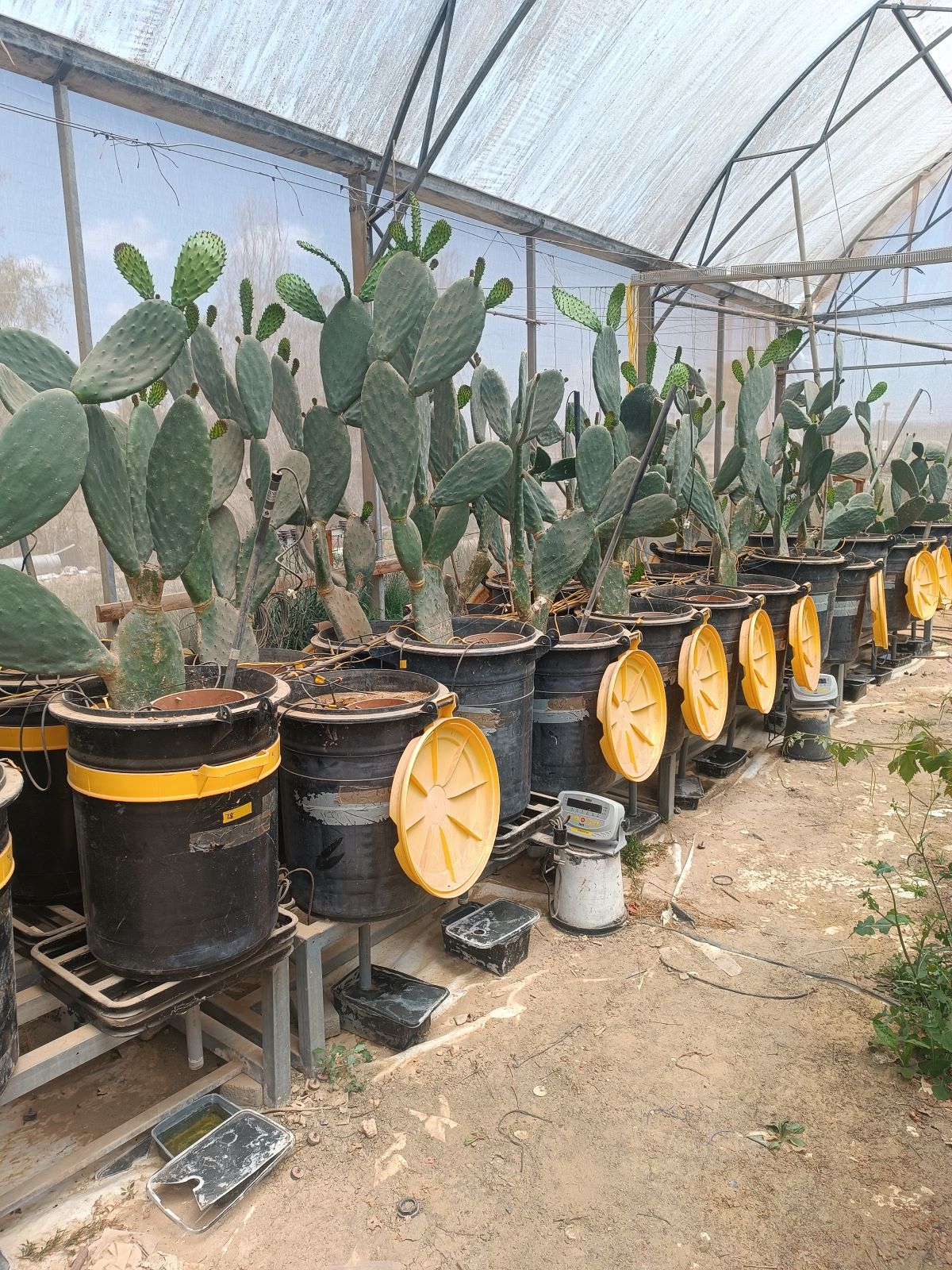
The prickly pear (Opuntia ficus-indica) is famous for saving water. Its thick green pads keep their pores shut through the heat of the day. They take in carbon dioxide only at night, when the air is cool and little water evaporates. This is an excellent strategy for surviving, but a slow one for growing.
When water is available, the cactus grows new pads. For a short time each young pad is covered with tiny cone-shaped leaves, each about a centimetre long. After about six weeks they fall off, and most people never notice them. So why would a desert plant bother to grow leaves at all?
The BGU and ARO team found that these little leaves work in a completely different way from the rest of the cactus. Like the leaves of an ordinary garden plant, they open their pores during the day and take in carbon dioxide in sunlight. The mature pads work the night shift, and the leaflets work the day shift. Together, the leaflets supply about one-fifth of the carbon a young pad needs to grow. When the researchers removed the leaflets, or sealed their pores with clear nail polish, the new pads ended up about a third smaller and nearly 40% lighter after three weeks.
“The cactus effectively has two gears,” says Prof. Ilya Gelfand of BGU's Blaustein Institutes for Desert Research. “Most of the year it runs in saving mode and breathes at night to hold on to every drop. When water arrives, it switches on a second, faster gear: temporary leaves that work by day like a regular plant. When the good times end, it simply drops them. That lets the cactus grow quickly whenever the desert briefly allows it, without giving up its ability to survive drought.”
The findings matter beyond botany. Prickly pear is grown on about 2.6 million hectares worldwide for fruit, livestock feed and the fight against desertification, mostly in drought-prone parts of Africa and Latin America. Knowing how the plant speeds up its growth during short wet periods could help farmers and plant breeders as the climate gets hotter and drier.
The study was published in the Journal of Experimental Botany (DOI: 10.1093/jxb/erag490). It was led by doctoral student Patrick Mdemba with Dr. Udi Zurgil, Prof. Noemi Tel-Zur, Dr. Sofia Bouchebti and Prof. Ilya Gelfand of the Jacob Blaustein Institutes for Desert Research at BGU, together with Dr. Eran Raveh of the Gilat Research Center, Agricultural Research Organization (Volcani Institute).
הודעה לעיתונות, עברית
הצבר מחליף הילוך: כך מנצל הקקטוס את הגשם הנדיר במדבר
חוקרים מאוניברסיטת בן-גוריון בנגב גילו שהעלים הזעירים והחולפים של הצבר עובדים "במשמרת יום", ומאפשרים לו לצמוח מהר כל עוד יש מים.
במדבר המים לא מגיעים באופן קבוע אלא בפעימות: סערת חורף, כמה ימי גשם, ואחריהם חודשים ארוכים של יובש. צמח שרוצה לחיות שם צריך לדעת לעשות שני דברים: להחזיק מעמד בתקופות הבצורת, ולנצל עד הסוף את החלונות הקצרים של שפע. מחקר חדש של אוניברסיטת בן-גוריון בנגב מראה שהצבר מצא לכך פתרון מפתיע.
הצבר (Opuntia ficus-indica) הוא אלוף החיסכון במים. ה"כפות" הירוקות והשטוחות שלו (רבים קוראים להן "עלים", אף שהן בעצם גבעולים) סוגרות את הפיוניות, נקבוביות הנשימה של הצמח, בשעות החום של היום. הן קולטות פחמן דו-חמצני רק בלילה, כשהאוויר קריר ומעט מים מתאדים. זו אסטרטגיה מצוינת לשרידות, אבל איטית לצמיחה.
כשיש מים, הצבר מצמיח כפות חדשות, וכל כף צעירה מתכסה לזמן קצר בעלים זעירים דמויי קונוס, באורך של כסנטימטר. כעבור כשישה שבועות הם נושרים, ורובנו לא שמים לב אליהם בכלל. אז למה צמח מדברי טורח לגדל עלים?
החוקרים גילו שהעלים הזעירים פועלים בדרך שונה לגמרי משאר הצמח. כמו עלים של צמח גינה רגיל, הם פותחים את הפיוניות ביום וקולטים פחמן דו-חמצני באור השמש. בזמן שהכפות הבוגרות עובדות "במשמרת לילה", העלים הזעירים עובדים "במשמרת יום", ויחד הם מספקים כחמישית מהפחמן שהכף הצעירה צריכה כדי לגדול. כשהחוקרים הסירו את העלים, או אטמו את הפיוניות שלהם בלק שקוף, הכפות החדשות יצאו קטנות בכשליש וקלות בכמעט 40% כעבור שלושה שבועות.
"לצבר יש בעצם שני הילוכים," אומר פרופ' איליה גלפנד מהמכונים לחקר המדבר ע"ש יעקב בלאושטיין בשדה בוקר. "רוב השנה הוא נוסע בהילוך חיסכון ונושם בלילה כדי לשמור על כל טיפה. כשמגיעים מים, הוא משלב הילוך שני, מהיר: עלים זמניים שעובדים ביום כמו בצמח רגיל. כשהשפע נגמר, הוא פשוט משיר אותם. כך הוא מצליח לצמוח מהר בדיוק כשהמדבר מאפשר זאת לרגע, בלי לוותר על היכולת לשרוד בצורת."
לממצא יש גם צד ישראלי מובהק. הצבר הוא לא סתם צמח: על שמו נקראים ילידי הארץ, ה"צברים", קוצניים מבחוץ ומתוקים מבפנים. מתברר שלצבר יש עוד תכונה שמתאימה לכינוי: הוא יודע להתקשח ולחסוך בימים קשים, אבל גם לזהות הזדמנות ולזנק קדימה כשהיא מגיעה. ובאירוניה ישראלית לא פחות, הצבר עצמו אינו יליד הארץ. מקורו במקסיקו, והוא הגיע לאזורנו לפני כמה מאות שנים, היכה שורש והפך לסמל מקומי.
לממצאים יש גם חשיבות מעשית. הצבר מגודל בעולם על פני כ-26 מיליון דונם לפרי, למספוא ולמאבק במדבור, בעיקר באזורים מוכי בצורת באפריקה ובאמריקה הלטינית. הבנה של הדרך שבה הצמח מאיץ את צמיחתו בחלונות הלחים הקצרים יכולה לסייע לחקלאים ולמטפחים בעולם שהולך ומתחמם ומתייבש.
המחקר פורסם בכתב העת Journal of Experimental Botany (DOI: 10.1093/jxb/erag490). את המחקר הוביל הדוקטורנט פטריק מדמבה, יחד עם ד"ר אודי צורגיל, פרופ' נעמי תל-צור, ד"ר סופיה בושבטי ופרופ' איליה גלפנד מהמכונים לחקר המדבר ע"ש יעקב בלאושטיין באוניברסיטת בן-גוריון בנגב, ובשיתוף ד"ר ערן רווה ממרכז המחקר גילת של מינהל המחקר החקלאי (מכון וולקני).